chá茶chán禪yī一wèi味
Chá and chán are one
Chá means tea. Chán (zen in Japanese) is a meditation practice.吃茶去 Go have some tea
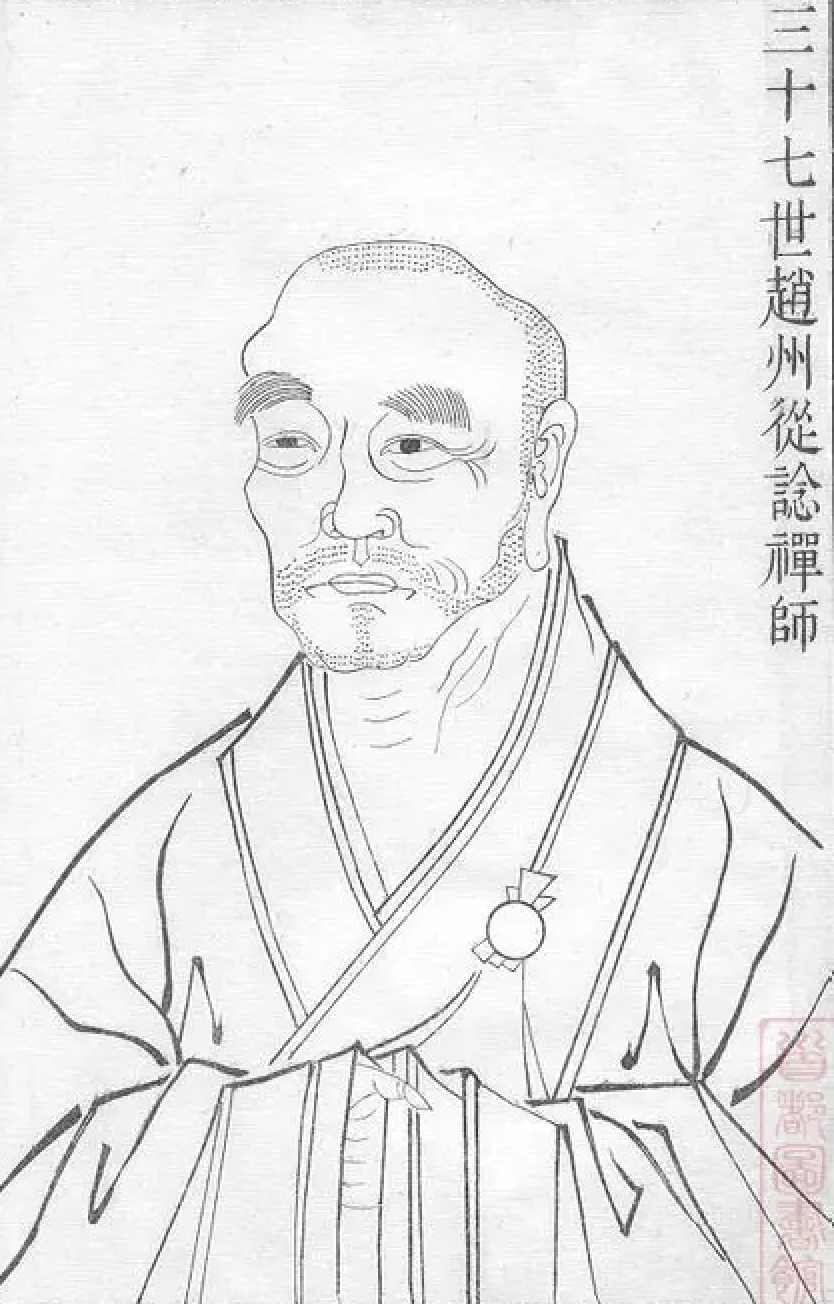
In Tang-dynasty China (9th century CE), Chán master Zhaozhou Congshen (赵州从谂) asked a newly arrived monk, “Have you been here before?” “I have,” the monk replied.“Go have some tea,” said Zhaozhou.He put the same question to another monk. “I have not,” the monk replied.“Go have some tea,” said Zhaozhou.Later, the monastery steward asked, “Why do you tell both those who have been here and those who have not to go have some tea?” Zhaozhou called, “Steward!” The steward answered.“Go have some tea,” said Zhaozhou.
Types of Chinese tea
Green tea · 绿茶
Early heat arrests oxidation, keeping a fresh, green character.Fresh, vegetal, sometimes nutty; pale green to yellow liquor.Processing
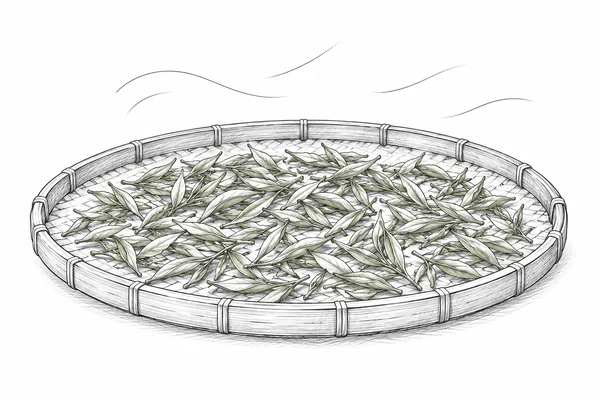 01Spread fresh leaves鲜叶摊放Spread fresh leaves before pan-firing.
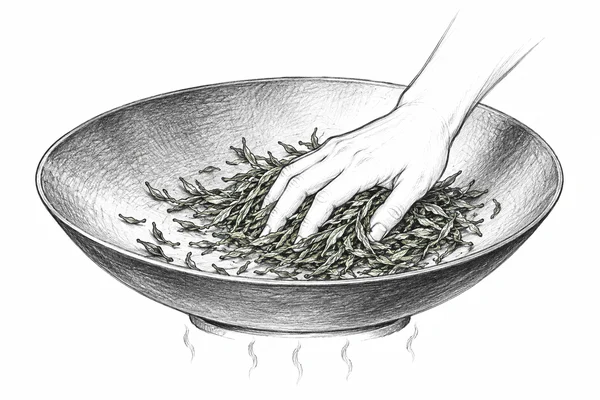 02First pan-firing青锅Pan-fire and begin flattening the leaves.03Cool & rest摊凉回潮Spread the leaves to cool and allow moisture to redistribute.04Final pan-firing辉锅Finish shaping and drying the leaves in the pan.
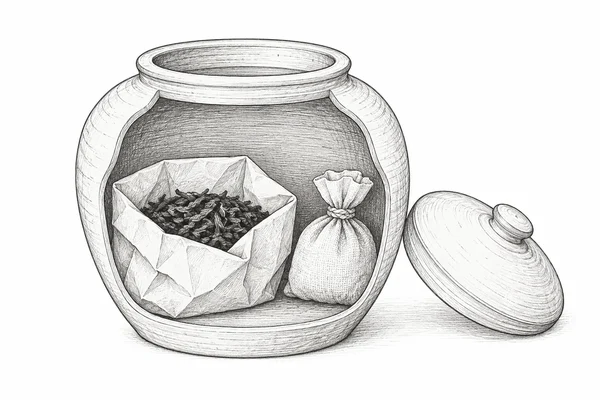 05Lime-dried storage收灰贮藏Store the finished tea with lime kept separate from the leaves to absorb residual moisture.
Teas
Useful clarifications
The same tea plantAll six tea types come from Camellia sinensis, the tea plant (茶树). Cultivar, growing conditions, and processing shape their differences.
Oxidation ≠ microbial fermentationTea terminology sometimes calls both processes “fermentation” (发酵), but they work differently. Oolong and black tea undergo enzymatic oxidation (氧化), while dark tea undergoes microbial fermentation (微生物发酵) after fixing. Yellowing (闷黄) is a separate warm, moist process.
Black tea and dark teaWhat English calls “black tea” is 红茶 (hóngchá), literally “red tea” in Chinese. 黑茶, literally “black tea,” refers to a different family called “dark tea” in English.
Raw and ripe pu’er differRipe pu’er (熟普洱) uses controlled piling. Raw pu’er (生普洱) begins with sun-dried base tea and changes during storage. The two follow different processes.
Stay in touchSubscribe for updates from Chá Chán.
Geography
Each region gives its tea unique characteristics.功夫茶 The kung fu tea steeping process
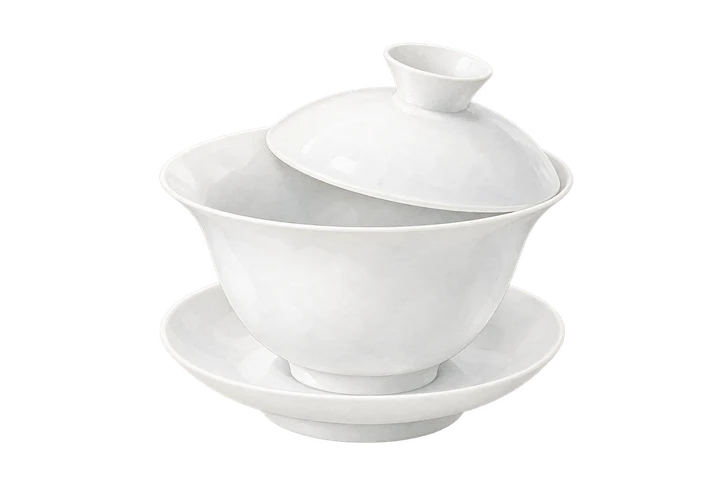
A small vessel, repeated infusions, and attention to each cup. Choose a teapot or gaiwan, then use a fairness cup to share the brew.Teaware
Brewing vessel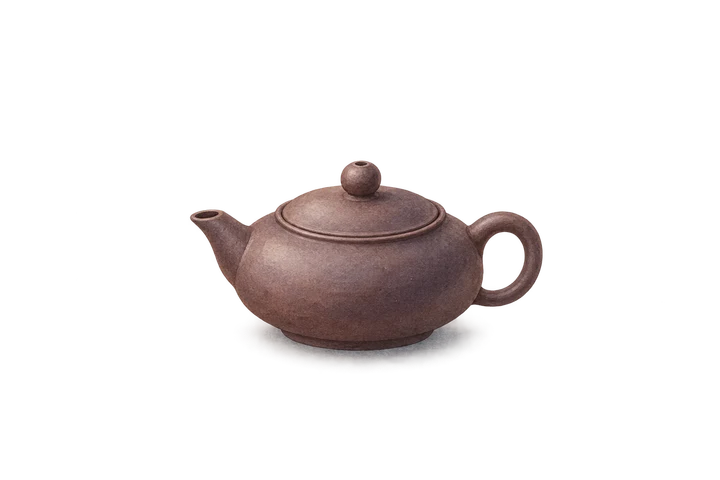
Zisha teapot
紫砂壶Unglazed clay pot for brewing tea.or
Gaiwan
盖碗Lidded bowl for brewing and pouring.Serving vessels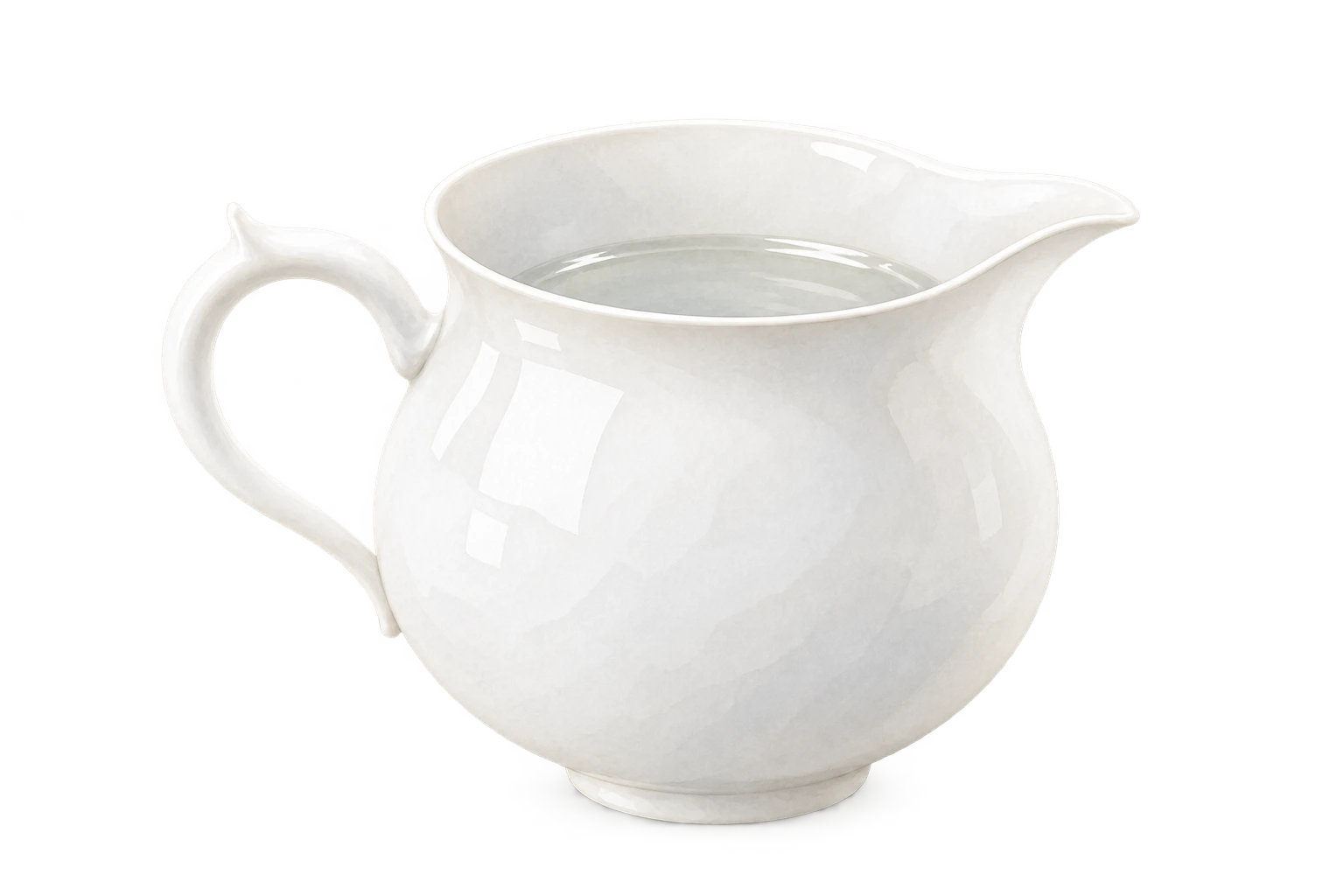
Fairness cup
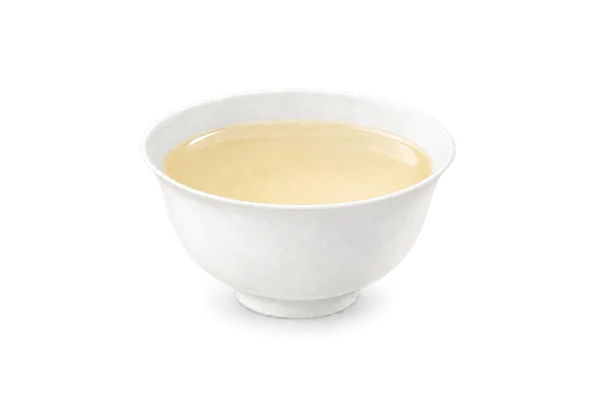
公道杯Pour tea off the leaves to stop steeping and give every cup the same strength.Tea cups
品茗杯Small cups for smelling and tasting.Steeping process
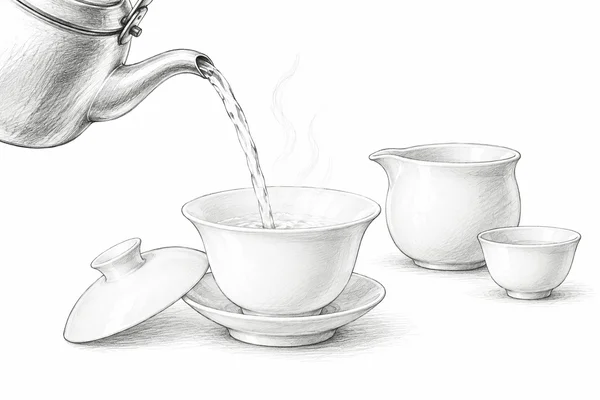 01Warm the teawareWarm the empty teapot or gaiwan, pitcher, and cups with hot water, then discard the water.
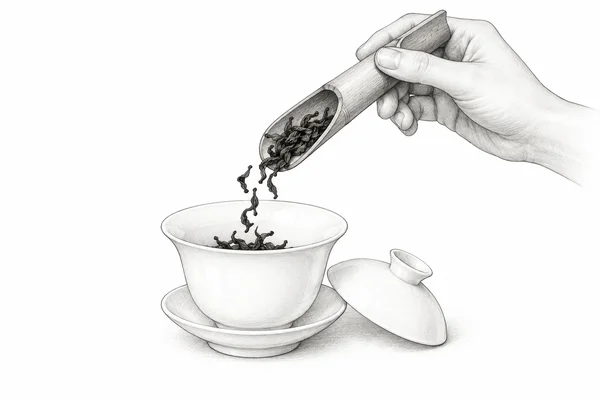 02Add the leavesAdd dry leaves to the warmed vessel, leaving room for them to open.
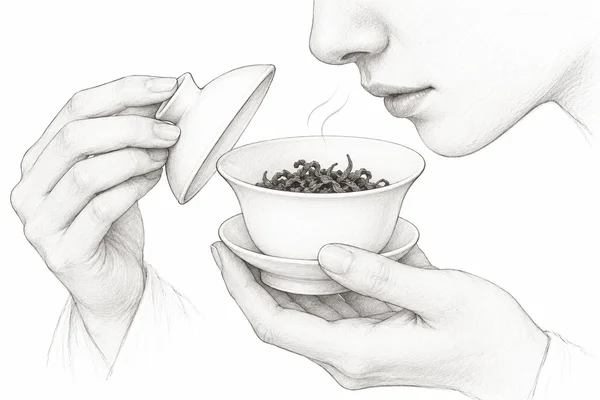 03Pause & smellCover briefly, then lift the lid and take in the warm leaves’ aroma before adding water.
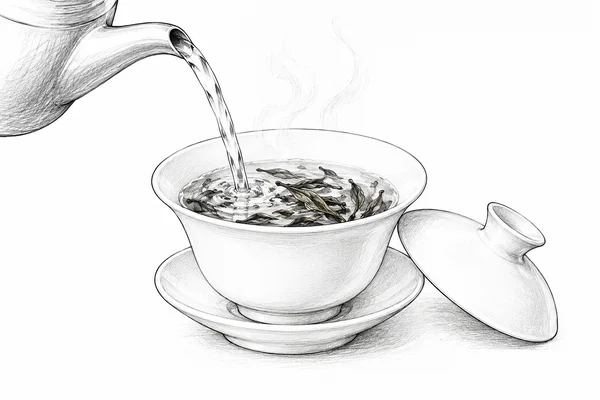 04SteepAdd fresh water at a temperature suited to the tea. Adjust the steeping time after tasting.
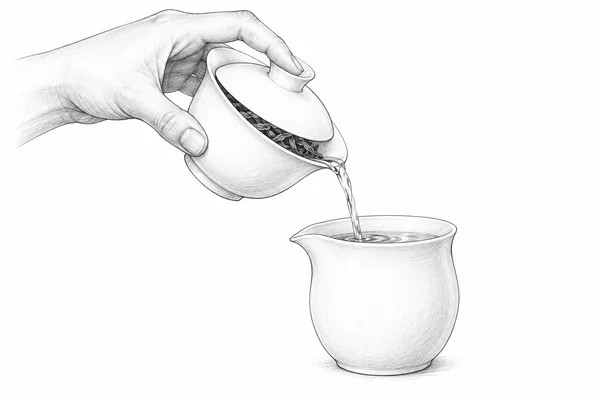 05Pour off the teaPour fully into the fairness cup to stop steeping and give every cup the same strength. Keep the leaves for the next infusion.
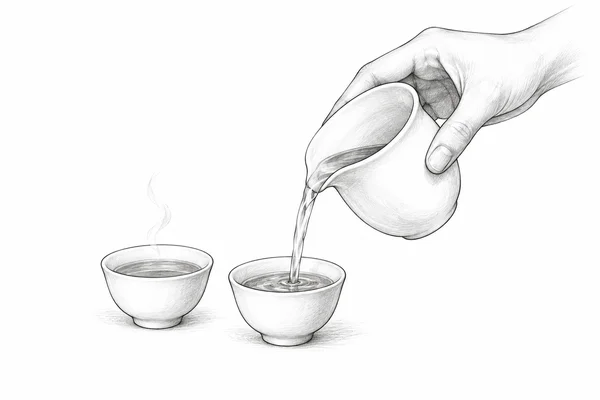 06Pour & tasteShare the tea into small cups. Notice its aroma, flavor, texture, and finish before the next steep.
Stay in touchSubscribe for updates from Chá Chán.